
To maintain your roof in Los Angeles, conduct biannual inspections in spring and fall, and clean gutters to prevent water issues. Remove debris after storms, and trim tree branches at least 10 feet away from the roof. Promptly fix any missing shingles or leaks. Ascertain proper attic ventilation and check for water damage signs. Use protective roof coatings and hire professionals for annual services. With these steps, you’ll discover more about preserving your investment.

When it comes to maintaining your home’s roof in Los Angeles, conducting biannual inspections is key. You should schedule these inspections in spring and fall to catch potential issues early.
By focusing on biannual roof inspections, you’ll spot minor issues like missing shingles or water stains before they escalate. This proactive approach prevents costly repairs down the line.
During your inspections, document any findings using a checklist. This will help you track the roof’s condition over time.
Don’t forget to schedule professional inspections at least once a year. Experts can identify hidden problems and suggest maintenance strategies tailored to LA’s variable climate. Regular inspections are essential for insurance and mortgage approvals, ensuring you meet necessary requirements for property transactions.
Regular inspections not only protect your investment but also extend the lifespan of your roofing materials.
Keeping your gutters and drains clear is one of the most essential steps in maintaining a healthy roof.
Regular maintenance, like cleaning your gutters, helps prevent water accumulation, which is vital during Los Angeles’ winter rains. Clogged gutters cause water to overflow, leading to erosion and decay of roofing materials, which can increase the likelihood of costly repairs.
To keep your roof in top condition, clean your gutters at least twice a year, ideally in the spring and fall. This removes debris like leaves and twigs that can obstruct proper drainage.
Consider installing gutter guards to reduce the frequency of cleaning. Also, monitor drainage during heavy rain to identify potential issues early, ensuring your gutters and drains function effectively.
Regularly removing debris from your roof is vital to maintaining its integrity and longevity.
By keeping your roof clear of leaves, twigs, and dirt, you can prevent moisture accumulation that often leads to mold growth and structural damage.
In Los Angeles, where the rainy season can be intense, it’s important to remove roof debris regularly to avoid water “ponding” and potential leaks.
Follow these maintenance tips:
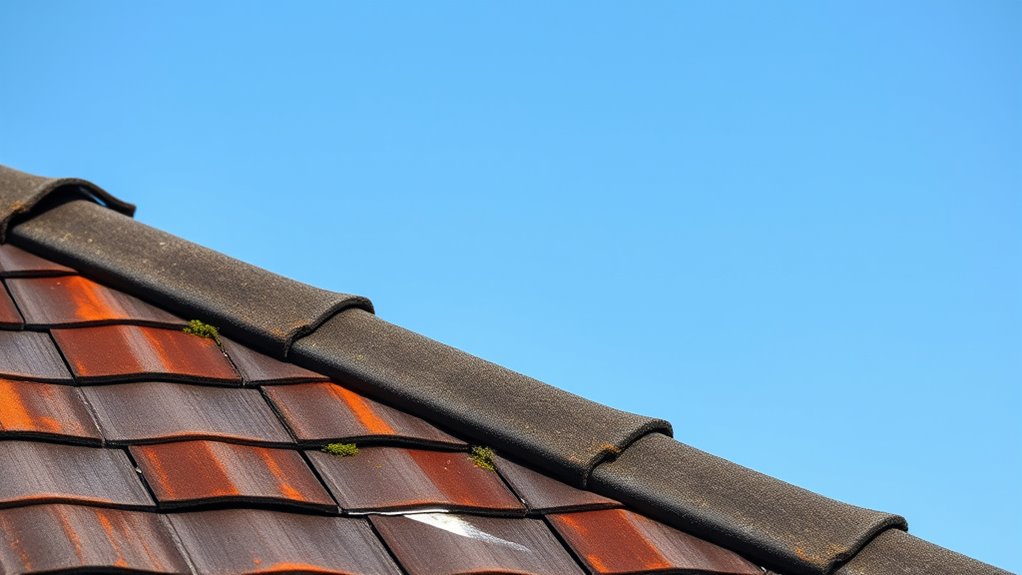
To spot potential water damage in your home, regularly inspect your ceilings and walls for stains that could indicate a roof leak.
Make it a habit to check your attic after heavy rains for any damp spots, as these might signal issues with the roofing material or seals.
If you notice mold or a musty smell in your home, address it promptly to prevent further damage and costly repairs.
Ever noticed a mysterious stain on your ceiling and wondered if it’s more than just an eyesore?
Identifying ceiling stains early can prevent roof leaks and water damage from escalating into costly repairs. Regular inspections are essential for catching issues before they worsen.
Here’s how you can spot potential problems:
Acting promptly can save you time and money!
Spotting those pesky ceiling stains is only part of the battle against roof leaks. To truly protect your home, regularly inspect your attic for signs of water damage.
Twice a year, check for mold, water stains, or damp spots on walls and ceilings, which indicate roof leaks. Discoloration or sagging ceilings are also critical, as they suggest moisture infiltration.
Don’t forget attic ventilation; compromised insulation often reveals prolonged exposure to moisture, necessitating immediate roof repairs. Pay special attention around vents and chimneys—common sources of leaks.
Document any signs of wear and address them promptly to prevent costly repairs. By staying vigilant, you guarantee your roofing system remains sturdy, safeguarding your home’s structural integrity and avoiding extensive damage.
When dealing with mold on your roof, it’s crucial to act quickly to prevent further complications.
Mold growth often stems from excessive moisture due to leaks or poor drainage. To protect your home and health, follow these steps:
1. Inspect for Water Stains: Regularly check ceilings and walls for water stains, a clear sign of potential mold issues.
If you spot any, inspect your roof and attic for leaks or damp spots.
2. Evaluate Roofing Materials: After heavy rains, examine your roofing materials and seals for leaks that could promote mold growth.
3. Clean Gutters: Keep your gutters clear to prevent water buildup, ensuring proper drainage away from your roof.
4. Hire Professional Remediation: If mold is detected, seek professional remediation promptly to safeguard your home’s structure and your family’s health.
Trimming back overhanging tree branches is essential for preventing roof damage and minimizing debris accumulation.
By keeping branches at least 10 feet away from your roof, you can reduce the risk of wear and potential leaks caused by scraping limbs.
Regular maintenance not only enhances your roof’s longevity but also improves your home’s curb appeal and keeps pests at bay.
Maintaining your roof’s integrity starts with managing the trees around your home, especially in a place like Los Angeles where the weather can be unpredictable.
Overhanging branches pose a threat by scraping roofing materials during strong winds, which can lead to leaks and structural damage.
Here are some essential Roof Maintenance Tips to prevent roof damage:
Keeping your roof free from debris is essential for its longevity and performance. To minimize debris accumulation, focus on managing overhanging tree branches. These branches can scrape against roofing materials during strong winds, causing damage and increasing the risk of leaks.
Regularly trim back branches that extend over your roof. This simple task reduces the buildup of leaves and other debris, which can trap moisture and lead to mold growth. Aim to maintain a safe distance of at least 10 feet between branches and your roof.
This precaution not only prevents branches from falling during storms but also improves sunlight exposure, reducing moisture retention. In Los Angeles’ semi-arid climate, keeping branches trimmed also prevents unnecessary wear from UV exposure and accumulated organic debris.
While ensuring the longevity of your roof, trimming back overhanging tree branches plays an essential role. High winds in Los Angeles can cause branches to scrape against roofing materials, leading to damage such as premature wear and potential leaks.
Regular maintenance is key to preventing these issues and enhancing roof longevity. Here’s how you can take action:
To guarantee your roof lasts for years, it’s vital to focus on proper attic ventilation, especially in the hot Los Angeles climate.
Without it, heat buildup can reach up to 150°F, damaging roofing materials and compromising your roof’s lifespan. Ensuring proper airflow is key to maintaining structural integrity and preventing issues like mold and wood rot from trapped moisture.
Heat buildup can damage roofing, compromising its lifespan and risking mold and wood rot from trapped moisture.
Aim for a ventilation ratio of 1 square foot for every 300 square feet of attic space to optimize circulation. This balance keeps your attic’s temperature safe for both roofing materials and household appliances.
Regular inspections are important—dust and debris can clog vents and reduce effectiveness. Clean vents and insulation frequently to maintain efficient airflow and protect your home.
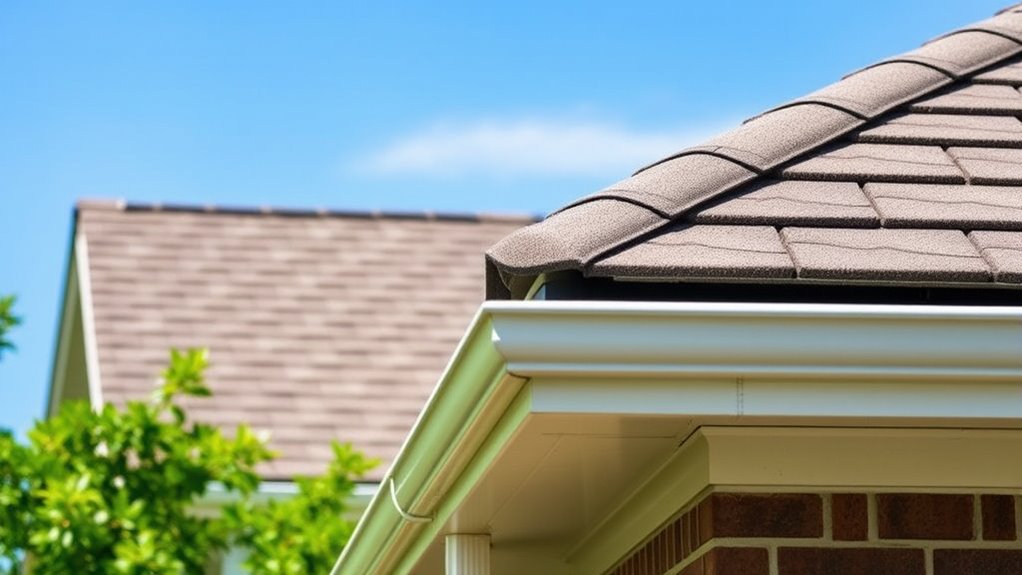
Addressing roof repairs immediately is essential for preventing minor issues from escalating into expensive damage.
By tackling problems like missing shingles or small leaks as soon as they appear, you can guarantee your roof’s longevity and save yourself thousands in future repairs.
Regular inspections and prompt maintenance not only extend the life of your roof materials but also protect against the harsh impacts of Los Angeles’ variable climate.
When small roofing issues like missing shingles or minor leaks crop up, it’s crucial to address them immediately to prevent bigger problems down the line.
Ignoring these minor repairs can lead to severe water damage, mold growth, and even a drop in your home’s value. In Los Angeles, the intense sun and winter rains can worsen these problems quickly.
Here’s how you can tackle issues immediately:
These steps will enhance your roof’s longevity and efficiency.
Even though it might be tempting to put off minor roof repairs, doing so can lead to costly damage that far exceeds the initial fix. Addressing these maintenance tasks promptly helps prevent costly issues from developing.
By focusing on minor repairs like replacing missing shingles or sealing small leaks, you can avoid the need for expensive replacements later. Regular inspections are essential as they allow you to catch early signs of water damage, such as ceiling stains or mold growth.
Acting quickly in response to these signs can prevent serious structural damage. Maintaining an organized schedule for these tasks not only saves on repair costs but also guarantees your roof lasts longer, potentially saving you thousands in future expenses.
To guarantee your roof stands the test of time, make prompt repairs a priority. Addressing repairs without delay is essential for maintaining your roof’s lifespan and avoiding expensive repairs.
Regular inspections can help you spot minor issues, like missing shingles or small leaks, before they become costly headaches. Documenting and prioritizing these repairs guarantees timely action and keeps your roof in top shape.
Here’s how you can promote roof longevity:
For Los Angeles homeowners looking to maximize the lifespan and efficiency of their roofs, applying protective roof coatings is an essential step.
These coatings serve as a defense against intense UV rays, safeguarding your roof from premature deterioration. By reflecting heat, they enhance energy efficiency, reducing heat absorption by up to 30% and cutting down on cooling costs.
Many are also waterproof, sealing your roof against heavy winter rains and preventing leaks. Regular application can curb moss and algae growth, preserving the integrity of your roofing materials.
Additionally, high-quality coatings offer a range of colors and finishes to complement your home’s design, boosting curb appeal. Investing in these protective measures guarantees long-term durability and aesthetic value for your home.
Alongside applying protective coatings, another key strategy for maintaining your roof’s health is utilizing professional roofing services.
Hiring experts guarantees that your roof receives regular inspections, catching potential issues before they become costly problems. Here’s why you should consider this approach:
Creating a long-term maintenance plan for your roof is essential, particularly given the unpredictable climate in Los Angeles.
Begin by establishing a maintenance checklist that includes biannual roof inspections. This practice helps identify potential issues early, prolonging your roof’s lifespan.
Regular roof inspections and seasonal cleaning of gutters and surfaces prevent debris buildup and water damage, especially during intense summer sun and winter rains.
Allocate a budget for routine maintenance and repairs, addressing minor issues like missing shingles or leaks promptly.
Seek expert advice from professional roofing services to identify structural weaknesses and tailor your upkeep strategy.
Consider applying a regular roof coating for better UV protection, enhancing energy efficiency, and ultimately reducing utility bills and boosting property value.
You’ve got the groundwork for great roof care, geared for LA’s unique climate. By conducting consistent checks, clearing clutter, and cutting back overhangs, you’ll combat common culprits of damage. Quick repairs and quality coatings further fortify your fortress. Call on professionals for precise work, and craft a thorough care plan to keep your roof resilient. Remember, regular roof routines guarantee safety and savings, shielding your sanctuary from storms and stresses. Stay proactive, and your roof will reward you.